
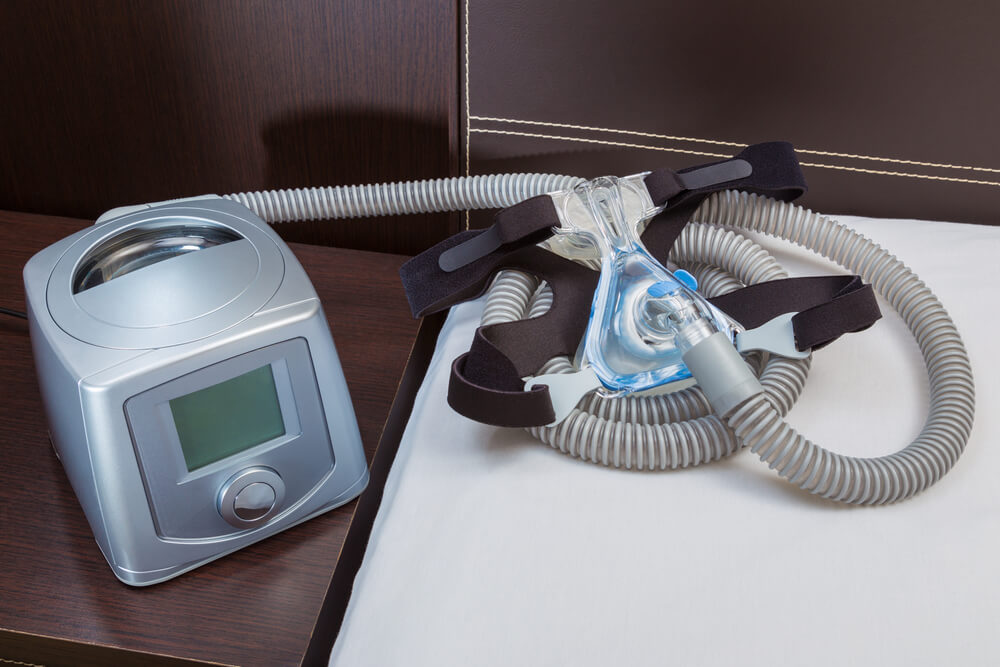
Sleep plays an important role in overall health, including the condition of the mouth, teeth, and gums. When breathing becomes disrupted during sleep, the effects may extend beyond fatigue and poor rest. Sleep apnea, a condition involving repeated interruptions in breathing throughout the night, can influence oral health in several ways that patients may not immediately recognize.
For many individuals in Bonita Springs and Lehigh Acres, symptoms associated with sleep apnea may first appear inside the mouth before the condition is fully identified. TD Dental Group recognizes that oral health and whole-body wellness are closely connected, especially when chronic sleep issues begin affecting daily comfort and long-term health habits.
Obstructive sleep apnea is the most common form of the condition. It occurs when the airway becomes partially or fully blocked during sleep, reducing oxygen flow and disrupting normal breathing patterns. These repeated interruptions may happen dozens or even hundreds of times per night, often without the individual fully realizing it. Over time, this pattern may contribute to both medical and dental concerns.
Because the mouth and airway are directly connected, dentists are sometimes among the first healthcare providers to notice signs that may suggest sleep-related breathing problems. Jaw tension, worn teeth, dry mouth, and gum irritation can all be associated with disrupted sleep and nighttime breathing difficulties.
How Sleep Apnea Can Impact the Mouth and Teeth
Other oral health effects associated with sleep apnea may include:
- Chronic dry mouth
- Teeth grinding or clenching
- Jaw pain or TMJ discomfort
- Increased risk of gum disease
- Tooth wear or enamel erosion
- Morning headaches
- Bad breath
- Inflamed or irritated gums
Why Gum Health and Sleep Quality Are Connected
Maintaining healthy gums through preventive care and consistent oral hygiene may help reduce bacterial buildup and inflammation. Services such as Periodontal Treatment and regular General Dentistry visits may support long-term oral health while helping identify changes that could indicate larger health concerns.
The Importance of Early Recognition and Evaluation
Dentists may notice physical indicators such as worn enamel, scalloped tongue edges, dry oral tissues, or signs of chronic clenching during routine examinations. In some cases, modern Dental Technology may help identify structural concerns involving the bite, jaw, or airway that could contribute to sleep-related breathing issues.
Supporting Long-Term Wellness Through Oral Health Awareness
Resources
Peppard, P. E., Young, T., Barnet, J. H., Palta, M., Hagen, E. W., & Hla, K. M. (2013). Increased Prevalence of Sleep-Disordered Breathing in Adults. American Journal of Epidemiology.
Lavigne, G. J., Kato, T., Kolta, A., & Sessle, B. J. (2003). Neurobiological Mechanisms Involved in Sleep Bruxism. Critical Reviews in Oral Biology & Medicine.
American Academy of Dental Sleep Medicine. (2024). Dental Sleep Medicine and Oral Health. American Academy of Dental Sleep Medicine.



0 Comments