
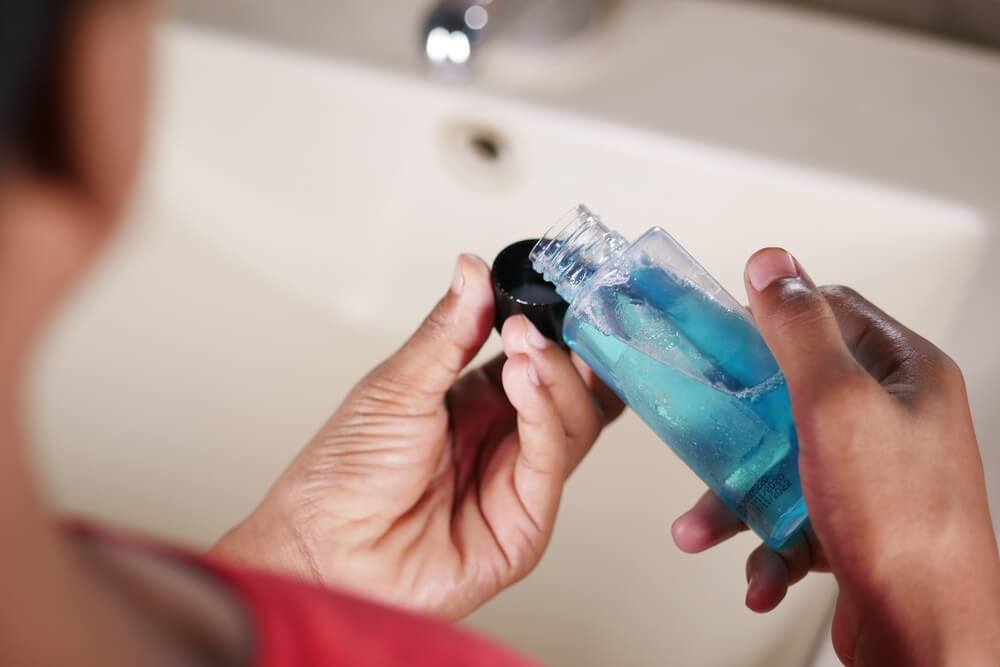
Mouthwash is designed to target bacteria and help reduce plaque, freshen breath, and in some cases, deliver fluoride to strengthen teeth. While brushing and flossing physically remove debris and plaque from teeth, mouthwash can reach areas that brushing alone may miss, such as between teeth and along the gumline. Depending on the formulation, mouthwash may have antibacterial, anti-inflammatory, or fluoride-enhancing properties.
Mouthwash also provides psychological benefits. The sensation of a clean mouth, along with fresh breath, can improve confidence and reinforce oral hygiene habits. Many people enjoy the feeling of rinsing after meals or before social interactions, even if the long-term dental benefits are not as dramatic as brushing and flossing. Recognizing the difference between these functional and cosmetic roles is important for making informed choices about mouthwash.
Benefits of Using Mouthwash
Reducing Bacteria and Plaque
Supporting Gum Health
Additional Considerations
How to Use Mouthwash Effectively
- Measure the recommended amount of mouthwash, usually around 20 milliliters.
- Swish for the duration specified on the label, typically 30 to 60 seconds.
- Avoid swallowing the product.
- Use mouthwash at a different time than brushing to allow fluoride-containing rinses to remain on the teeth.
Following these steps ensures that mouthwash complements oral hygiene rather than replacing essential habits like brushing and flossing.
Conclusion
Resources
McLaughlin, K. A., & Nolen-Hoeksema, S. (2011). Rumination as a Transdiagnostic Factor in Depression and Anxiety. Behavior Researcher and Therapy.
Sreebny, L. M., & Schwartz, S. S. (1997). A Reference Guide to Drugs and Dry Mouth—2nd Edition. Gerodontology.
Feller, L., Khammissa, R. A., & Meyerov, R. (2016). Oral Mucosal Immunity. Inflammopharmacology.