
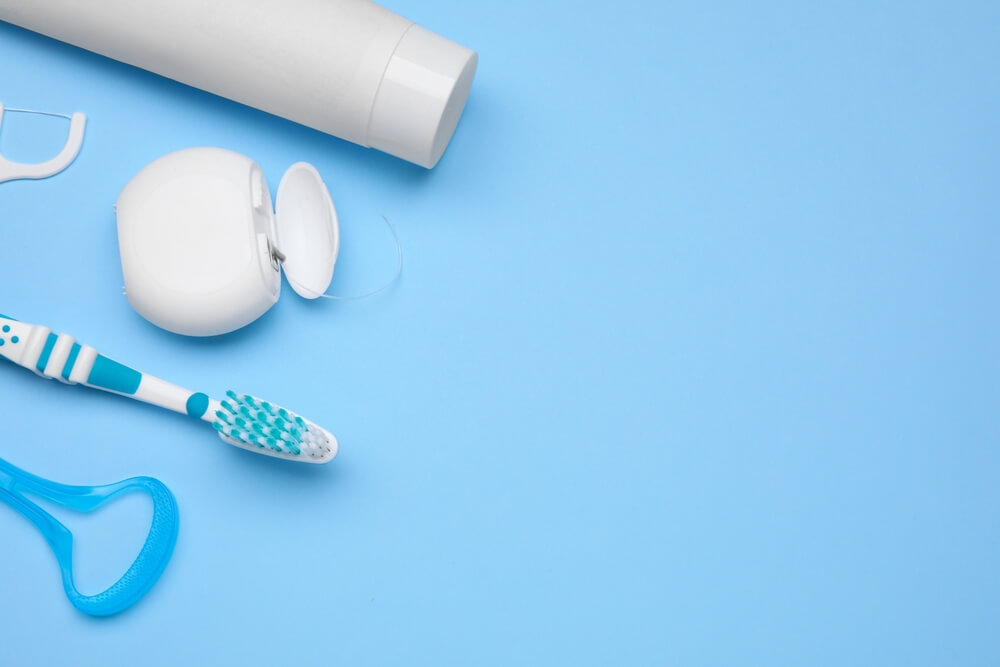
Toothbrushes: Manual vs. Electric
Choosing the correct toothbrush is foundational to a successful oral care routine. Manual toothbrushes are widely available and can be highly effective when used with proper technique. Look for soft-bristled brushes, as these are gentler on gums and enamel while still effectively removing plaque. The brush head should fit comfortably in your mouth and reach all areas, including the back teeth and along the gumline.
Electric toothbrushes have gained popularity for their convenience and consistent performance. They can be particularly useful for individuals with limited dexterity or those who struggle with proper brushing technique. Oscillating or sonic electric brushes can remove plaque more efficiently than manual brushing alone. Ultimately, the best toothbrush is the one you use consistently and correctly, whether manual or electric.
Flossing and Interdental Cleaning Tools
Brushing alone cannot reach the tight spaces between teeth where plaque and food particles accumulate. Flossing is essential for preventing gum disease and cavities in these areas. Traditional dental floss comes in waxed or unwaxed varieties and can be chosen based on personal preference. For individuals with larger gaps between teeth, floss picks, soft picks, or interdental brushes may be easier to use and more effective.
Proper technique is important regardless of the type of floss or tool. Gently curve the floss around each tooth and slide it under the gumline, avoiding snapping or forcing it, which can cause irritation. Consistent interdental cleaning should be a part of every oral care routine to ensure that all areas of the mouth are adequately addressed.
Mouth Rinses and Other Oral Care Aids
Mouth rinses can complement brushing and flossing by reducing bacteria, freshening breath, and providing additional protection against cavities and gum disease. Choose an alcohol-free rinse if you have sensitive gums or mouth tissues. Certain rinses contain fluoride, which helps strengthen enamel and reduce decay, while others are designed to combat plaque or gingivitis.
Additional tools such as tongue scrapers, water flossers, or specialized brushes can further enhance oral hygiene. Tongue cleaning helps reduce bacteria and freshens breath, while water flossers can reach areas that traditional floss might miss. Choosing tools that match your specific oral health needs ensures a comprehensive approach to care.
Tips for Selecting the Right Oral Care Tools
When selecting oral care tools, consider factors such as your age, oral health status, and personal comfort. Here are some practical guidelines:
- Select a soft-bristled toothbrush that fits comfortably in your mouth
- Use floss or interdental cleaners appropriate for the spaces between your teeth
- Consider mouth rinses with fluoride or antibacterial properties based on oral health needs
- Explore additional tools like tongue scrapers or water flossers if needed
Maintaining Optimal Oral Health Through Proper Tools
Choosing the right oral care tools is an investment in your long-term dental health. At TD Dental Group in Bonita Springs and Lehigh Acres, FL, we encourage patients to educate themselves about the various options and incorporate the tools that best suit their needs. Combining proper brushing, flossing, and additional oral care aids ensures effective plaque removal, healthy gums, and a cleaner, fresher mouth. Being intentional about the tools you use helps maintain a confident smile for years to come.
Resources
American Dental Association. (2023). Brushing and Flossing. American Dental Association.
Petersen, P. E. (2003). The World Oral Health Report 2003. World Health Organization.
Van der Weijden, G. A., & Hioe, K. P. (2005). Oral Hygiene Care for Patients. Periodontology 2000.