
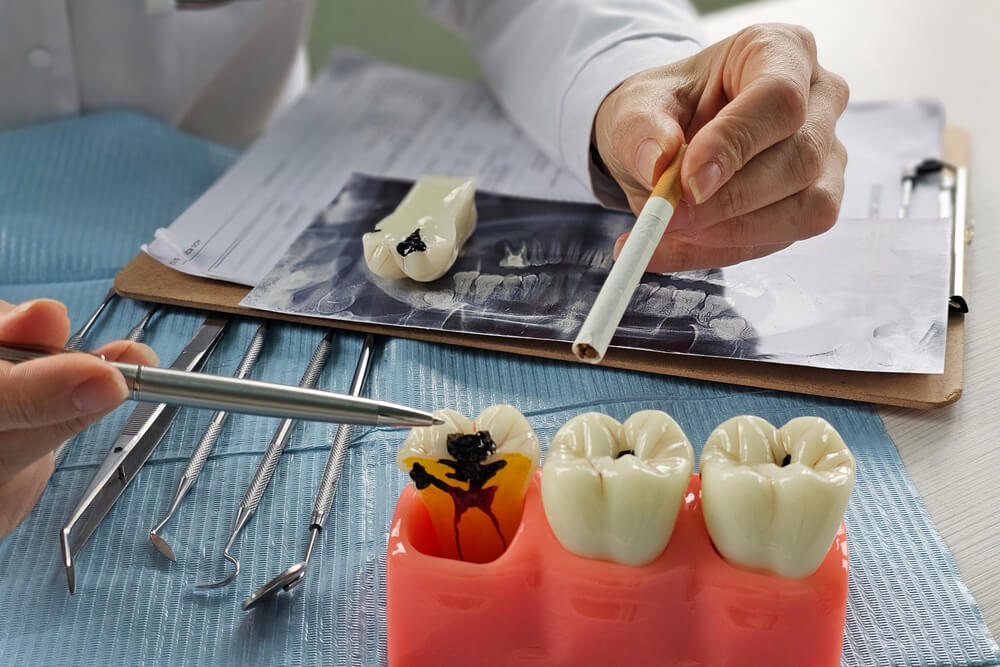
Dental implants have become a widely used option for replacing missing teeth because they are designed to function similarly to natural tooth roots. While implants can provide long-term stability and support for chewing and speaking, successful healing depends heavily on the body’s ability to properly integrate the implant with the surrounding bone and gum tissue. TD Dental Group in Bonita Springs, FL, and Lehigh Acres, FL encourages patients to understand how smoking and vaping may interfere with this process and increase the risk of implant complications.
Smoking has long been associated with oral health concerns such as gum disease, delayed healing, bone loss, and tooth loss. More recently, vaping has also raised concerns because many electronic cigarette products still contain nicotine and other chemicals that may affect blood flow and tissue health. Although some individuals believe vaping is less harmful to oral tissues than smoking traditional cigarettes, research continues to show that nicotine exposure may negatively affect healing after oral surgery and implant placement.
Dental implants rely on a process called osseointegration, where the implant fuses with the jawbone over time. Healthy circulation and stable gum tissue are essential for this process to occur properly. When nicotine restricts blood vessels and reduces oxygen delivery to tissues, the body may have a harder time healing efficiently around the implant site.
Smoking May Increase the Risk of Implant Failure
Smoking can affect nearly every stage of the dental implant process. Before implant placement, smoking may already contribute to gum disease and bone loss, both of which can reduce the amount of healthy bone available to support an implant. After surgery, smoking may slow healing and increase the risk of infection or inflammation around the implant.
One of the biggest concerns involves reduced blood circulation. Tobacco smoke contains chemicals that constrict blood vessels and limit oxygen flow to healing tissues. As a result, the gums and bone surrounding the implant may not recover as effectively after surgery. This can interfere with the implant’s ability to integrate with the jawbone securely.
Patients who smoke heavily may also experience a higher likelihood of developing peri-implantitis, a condition involving inflammation and infection around dental implants. Peri-implantitis can lead to gum recession, bone deterioration, and eventual implant failure if not managed appropriately. In some cases, patients may require additional procedures to restore damaged tissue or replace the implant entirely.
Common implant-related concerns associated with smoking include:
- Delayed healing after implant surgery
- Increased risk of infection
- Reduced bone integration
- Higher likelihood of gum inflammation
- Greater risk of implant loosening or failure
- Increased plaque and bacterial buildup
- Dry mouth and tissue irritation
Patients considering Dental Implants are often encouraged to discuss tobacco use openly so they can better understand potential risks and healing considerations before treatment begins.
Vaping May Also Affect Healing and Gum Health
Although vaping products differ from traditional cigarettes, many still contain nicotine, flavoring chemicals, and aerosols that may irritate oral tissues. Research regarding the long-term oral effects of vaping is still evolving, but early findings suggest that vaping may also contribute to inflammation, dry mouth, and delayed tissue healing.
Nicotine exposure from vaping may reduce blood flow in a similar way to smoking, potentially affecting the gums and bone around implants. Some vaping liquids also contain chemicals that may irritate soft tissues or alter the balance of bacteria inside the mouth. This may increase the risk of gum inflammation and create conditions that make it harder for implants to remain stable over time.
Dry mouth is another concern frequently associated with vaping. Saliva plays an important role in protecting the teeth and gums by washing away bacteria and neutralizing acids. Reduced saliva production may increase bacterial buildup around implants and contribute to gum irritation or infection. Patients who vape regularly may also experience irritation to the cheeks, tongue, or throat, which can affect overall oral comfort during healing.
Even though vaping may expose the mouth to fewer combustion-related toxins than cigarettes, nicotine itself may still interfere with proper healing and implant success. Because implants require stable tissue attachment and bone support, minimizing irritation and improving circulation remain important parts of long-term implant maintenance.
Protecting Implant Health Through Preventive Care
Patients who smoke or vape are not automatically excluded from receiving implants, but they may require closer monitoring and a more individualized treatment approach. Improving oral hygiene habits and reducing nicotine exposure may help support healthier healing conditions before and after implant surgery.
Routine preventive visits through General Dentistry may help identify gum inflammation or early tissue changes before they become more severe. Professional cleanings and evaluations are particularly important for implant patients because plaque and bacteria around implants can progress quickly if left untreated.
Some patients may also require Periodontal Treatment if gum disease or bone loss is already present before implant placement. Healthy gums and stable bone structure often play a major role in improving implant outcomes and reducing complications during healing.
Advancements in Dental Technology may also help clinicians evaluate bone quality, tissue health, and implant positioning more precisely throughout treatment planning and follow-up care. Early monitoring may improve the ability to detect complications before they progress.
Long-Term Implant Success Depends on Healthy Habits
Dental implants are designed to function as a durable and long-lasting tooth replacement option, but their success depends on maintaining healthy surrounding tissues. Smoking and vaping may increase the risk of complications by affecting blood flow, healing, gum health, and bacterial balance inside the mouth. TD Dental Group encourages patients in Bonita Springs, FL, and Lehigh Acres, FL to stay informed about how nicotine and tobacco products may influence implant health over time.
Making informed decisions about oral habits, maintaining preventive dental care, and monitoring gum health closely may all help support stronger long-term outcomes for dental implants. Understanding these risks allows patients to take proactive steps toward protecting both their oral health and their investment in restorative treatment.
Resources
Bain, C. A., & Moy, P. K. (1993). The Association Between the Failure of Dental Implants and Cigarette Smoking. International Journal of Oral and Maxillofacial Implants.
Nociti, F. H., Casati, M. Z., & Duarte, P. M. (2015). Current Perspective of the Impact of Smoking on the Progression and Treatment of Periodontitis. Periodontology 2000.
Sussan, T. E., Gajghate, S., Thimmulappa, R. K., Ma, J., Kim, J. H., Sudini, K., Consolini, N., Cormier, S. A., & Biswal, S. (2015). Exposure to Electronic Cigarettes Impairs Pulmonary Anti-Bacterial and Anti-Viral Defenses in a Mouse Model. PLOS ONE.