
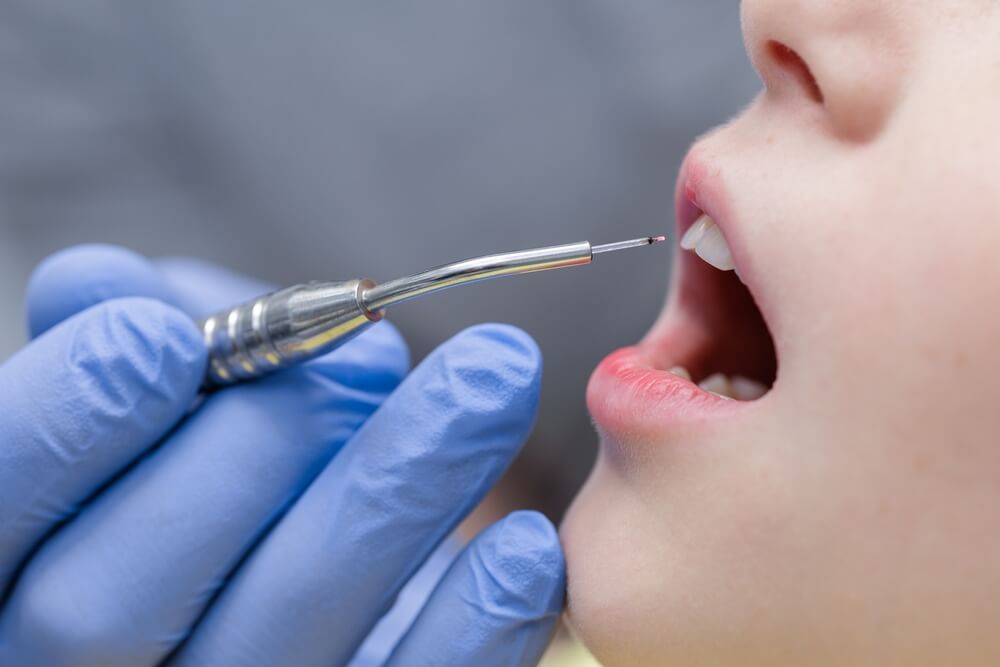
Dental technology has advanced significantly over the years, and laser dentistry has become one of the more innovative tools used in modern oral care. TD Dental Group often emphasizes the importance of understanding how evolving dental technology may improve patient experiences and treatment precision. Dental lasers use concentrated light energy to perform certain procedures involving the teeth, gums, and surrounding tissues. Depending on the type of laser and treatment involved, lasers may assist with both soft tissue and hard tissue procedures.
Laser dentistry is commonly used to reduce bacteria, remove tissue, reshape gums, and assist with restorative treatments. Different wavelengths of light are designed for specific applications. Some lasers target soft tissues like gums, while others are designed to work on hard tissues such as enamel or bone. Because lasers can be highly precise, they may help minimize damage to surrounding tissues during treatment.
Many patients are interested in laser dentistry because it is often associated with a more comfortable experience. In some situations, lasers may reduce the need for traditional dental tools, lessen bleeding during procedures, and shorten healing times. While not every dental procedure can be completed with a laser alone, laser-assisted dentistry continues to expand as technology improves.
How Lasers Are Used for Gum Treatment
One of the most common uses of lasers in dentistry involves periodontal or gum-related procedures. Gum disease occurs when bacteria and plaque accumulate beneath the gumline, leading to inflammation and tissue damage. Traditional periodontal treatment often involves deep cleaning techniques and manual instrumentation, but lasers may also assist in removing infected tissue and bacteria.
During laser-assisted periodontal therapy, the laser may be used to target diseased gum tissue while preserving healthier surrounding tissue. The concentrated light energy can also help disinfect periodontal pockets and reduce bacterial buildup beneath the gums. Because lasers cauterize tissue as they work, there is often less bleeding and swelling during treatment compared to some traditional surgical methods.
Patients experiencing symptoms such as gum recession, bleeding gums, or periodontal pockets may require treatments related to Periodontal Treatment. Laser technology may sometimes be incorporated into these procedures depending on the patient’s condition and treatment goals. Laser-assisted care can be particularly helpful when managing chronic inflammation or improving gum contour around the teeth.
Laser Applications for Tooth and Cavity Procedures
Lasers are also used in certain restorative and cavity-related procedures. Hard tissue lasers may help remove small amounts of tooth decay while preparing a tooth for a filling. In some situations, lasers may reduce the need for traditional dental drills, which many patients associate with vibration and discomfort. The laser energy targets decayed areas while helping preserve healthy tooth structure whenever possible.
Laser technology may additionally be used for tooth sensitivity treatments. Certain dental lasers can help seal microscopic tubules within exposed root surfaces that contribute to sensitivity when consuming hot or cold foods and beverages. This may provide relief for patients experiencing ongoing discomfort related to enamel wear or gum recession.
Modern restorative dentistry often combines advanced tools and imaging systems to improve precision and patient comfort. Services involving General Dentistry and advanced Dental Technology may incorporate laser-assisted techniques as part of comprehensive care planning. As technology continues to evolve, laser systems are becoming increasingly integrated into many areas of dentistry.
Cosmetic and Surgical Uses for Dental Lasers
Laser dentistry is also commonly used in cosmetic and surgical procedures. Gum contouring is one example where lasers may help reshape uneven gum tissue to improve smile appearance. Patients with excess gum tissue or uneven gumlines may benefit from laser contouring because it allows for greater precision and often promotes faster healing.
Lasers may additionally assist during certain oral surgical procedures. Soft tissue lasers can help remove small tissue growths, treat tongue or lip ties, and expose partially erupted teeth. In some cases, lasers may also be used during procedures involving Surgical Dentistry. Because laser energy seals blood vessels during treatment, postoperative discomfort and swelling may sometimes be reduced.
Patients pursuing cosmetic smile improvements may encounter laser technology during procedures related to Cosmetic Dentistry. Laser whitening systems, for example, may be used to accelerate whitening treatments by activating bleaching agents more efficiently. While results vary among patients, lasers have become a valuable tool for enhancing cosmetic dental procedures.
Advantages and Limitations of Laser Dentistry
Laser dentistry offers several potential advantages, but it is important to understand that it may not replace traditional dental techniques entirely. Some procedures still require conventional tools or a combination of methods depending on the complexity of treatment. Dentists evaluate each patient individually to determine whether laser-assisted treatment is appropriate.
Some commonly discussed benefits of dental lasers include:
- Reduced bleeding during soft tissue procedures
- Less swelling and inflammation
- Greater precision during treatment
- Reduced bacterial exposure
- Shorter healing times in some cases
- Less need for sutures during certain procedures
- Increased comfort for some patients
Although laser dentistry may provide benefits, not every patient or condition is a candidate for laser treatment. Factors such as the severity of decay, location of treatment, and overall oral health all influence whether lasers can be used effectively.
The Future of Laser Dentistry and Patient Care
As dental technology continues advancing, lasers are likely to play an even larger role in modern dentistry. Research and innovation continue to improve the precision, versatility, and efficiency of laser systems used for oral healthcare. From periodontal therapy to cosmetic procedures and restorative care, lasers offer additional options that may improve patient experiences and treatment outcomes.
TD Dental Group encourages patients in Bonita Springs, FL, and Lehigh Acres, FL to stay informed about evolving dental technologies and how they may support long-term oral health. Understanding how lasers are used in dentistry may help patients feel more comfortable discussing treatment options and exploring modern approaches to dental care. Education and preventive care remain important foundations for maintaining healthy teeth and gums throughout every stage of life.
Resources
Coluzzi, D. J. (2004). Fundamentals of Dental Lasers: Science and Instruments. Dental Clinics of North America.
Convissar, R. A. (2015). Principles and Practice of Laser Dentistry. Elsevier Health Sciences.
Parker, S. (2007). Laser Regulation and Safety in General Dental Practice. British Dental Journal.