
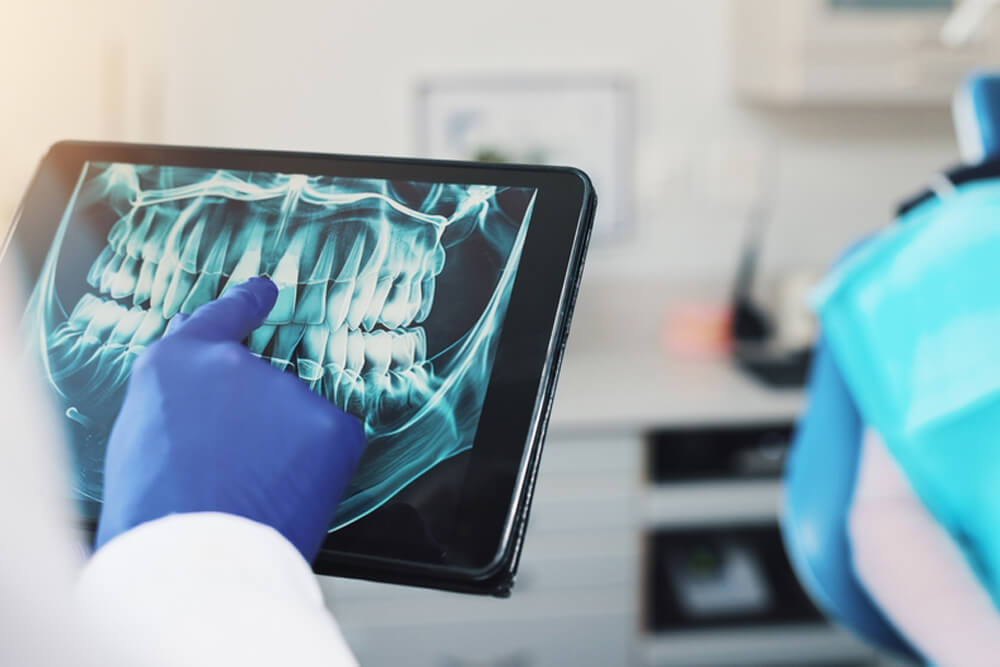
Dental imaging has changed significantly over the past several decades. Traditional film X-rays once required lengthy processing times and produced limited image detail compared to modern systems. Today, digital X-ray technology allows dental professionals to capture clearer images faster while reducing radiation exposure for patients. TD Dental Group in Bonita Springs, FL, and Lehigh Acres, FL recognizes that patients are often curious about how these advancements improve the overall dental experience and support more accurate evaluations.
Digital imaging technology has become an important part of modern dentistry because it helps identify oral health concerns earlier and with greater precision. Dentists can now enlarge images, adjust contrast levels, and closely examine areas that may have been harder to evaluate with traditional film systems. These improvements may help identify cavities, infections, bone loss, impacted teeth, and other oral conditions before they progress into more significant problems.
Advancements in digital imaging have also improved communication between patients and dental teams. High-resolution images displayed on monitors make it easier for patients to understand what is happening inside the mouth and why certain recommendations may be discussed. As technology continues to evolve, digital X-rays are becoming more efficient, more detailed, and more integrated into comprehensive oral care planning.
Lower Radiation and Faster Imaging Capabilities
One of the most important advancements in digital X-ray technology is the reduction in radiation exposure. Modern digital systems generally use significantly less radiation than traditional film-based methods. This improvement has helped make routine imaging safer and more efficient for patients of all ages.
Digital sensors are designed to capture images quickly, often within seconds. This reduces appointment delays and allows providers to review images immediately. Faster imaging can be especially beneficial during emergency visits or when evaluating treatment progress. Patients no longer need to wait for film processing, which helps improve efficiency during routine appointments and restorative evaluations.
Newer imaging systems also provide sharper detail with enhanced diagnostic capabilities. Small areas of decay, early-stage bone changes, and developing oral health concerns may become more visible through high-resolution imaging. This technology can support evaluations related to General Dentistry, preventive care, and more advanced procedures involving long-term oral health planning.
The Growing Role of 3D Imaging in Dentistry
One of the biggest innovations in recent years has been the increased use of cone beam computed tomography, commonly known as CBCT imaging. Unlike standard two-dimensional X-rays, CBCT technology creates a three-dimensional view of the teeth, jaw, nerves, and surrounding structures. This provides a far more detailed understanding of oral anatomy.
3D imaging may be particularly useful for evaluating complex dental conditions and planning procedures with greater precision. Patients considering Dental Implants, oral surgery, or orthodontic treatment may benefit from detailed imaging that allows providers to assess bone density, nerve positioning, and jaw structure more accurately. The technology can also assist in identifying hidden infections, impacted teeth, or sinus-related complications.
Modern CBCT systems continue to improve with faster scanning speeds and lower radiation doses compared to earlier versions. Many systems now provide highly detailed images while maintaining patient comfort during the scanning process. As 3D imaging becomes more widely available, it continues to change how providers diagnose and plan complex dental care.
Artificial Intelligence and Smarter Diagnostic Tools
Artificial intelligence is beginning to play a growing role in digital dental imaging. Some modern imaging systems now include AI-assisted software that helps identify areas of concern on X-rays. These systems may highlight possible cavities, bone loss, fractures, or areas of inflammation that require further review by the dentist.
Artificial intelligence does not replace professional evaluation, but it may improve diagnostic consistency and help support earlier detection. These tools can also assist with patient education by visually identifying areas that need attention. As AI technology continues to develop, it may become an even more valuable part of preventive dentistry and long-term oral health monitoring.
Cloud-based imaging storage has also improved the accessibility of dental records. Digital files can now be securely stored and transferred more efficiently between providers when needed. This can improve collaboration during specialized treatment planning involving procedures such as Periodontal Treatment, orthodontics, or restorative dentistry.
How Digital Imaging Supports Modern Patient Care
Digital X-ray technology has become an essential part of modern dentistry because it improves efficiency, diagnostic accuracy, and patient understanding. Earlier detection of oral health concerns may help reduce the need for more extensive procedures later. Modern imaging systems also allow providers to monitor changes over time and create more personalized treatment plans based on detailed information.
Advancements in imaging technology continue to support procedures involving Dental Technology, restorative care, and cosmetic planning. Clearer imaging can assist with evaluating tooth structure, gum health, bite alignment, and overall oral function. As technology evolves further, dental imaging will likely continue becoming faster, more precise, and more comfortable for patients.
TD Dental Group encourages patients in Bonita Springs, FL, and Lehigh Acres, FL to stay informed about the tools and technologies that contribute to modern oral health care. Understanding how digital X-rays work may help patients feel more confident and informed during routine dental visits and long-term treatment planning.
Resources
Farman, A. G., & Farman, T. T. (2005). A Comparison of 18 Different X-Ray Detectors Currently Used in Dentistry. Oral Surgery, Oral Medicine, Oral Pathology, Oral Radiology, and Endodontology.
Scarfe, W. C., & Farman, A. G. (2008). What Is Cone-Beam CT and How Does It Work? Dental Clinics of North America.
Wenzel, A., & Møystad, A. (2010). Work Flow With Digital Intraoral Radiography: A Systematic Review. Acta Odontologica Scandinavica.